
The Challenge of Breaking Old Habits for a Healthier Weight Loss Diet
Understanding how creating new neural pathways is essential to break old habits
STRIVING FOR SIXTEENBLOGS
Mike Gibson
7/14/20266 min read


Understanding Why I'm Stuck In The Doldrums.
My weight barely shifted in June.
Understanding Habits: The Brain's Role
Habits are integral to human behavior, serving as automatic responses to specific cues within our environment. From a neurological perspective, habits form through the establishment of neural pathways in the brain. When a behavior is repeated consistently in response to a cue, the brain reinforces this connection, making the manifestation of the behavior increasingly efficient and less conscious over time. So, for example, how often do we ever have to concentrate on the process of making a cup of coffee? The answer is never, because we've done it so often in the past that it is now second nature..
Habits can be classified as either beneficial or detrimental. Good habits such as regular exercise or mindful eating contribute positively to our health, while bad habits, such as overeating or consuming high-sugar foods, can lead to adverse health effects. The challenge arises in distinguishing between the two and recognizing why certain patterns seem resistant to change. For many individuals, bad habits are not only rooted in psychological comfort but also reinforced by the immediate rewards they provide, creating a complex relationship with food and dietary choices.
The concept of habit loops is pivotal to understanding how habits manifest in our behavior. A habit loop consists of three essential components: cues, routines, and rewards. The cue triggers a specific behavior or routine, which in turn leads to a reward, often in the form of pleasure or relief. For example, someone may experience stress (cue), turn to comfort food (routine), and then enjoy a temporary sense of satisfaction (reward). This loop can easily establish a habitual pattern that is difficult to break due to the strong association between the cue and the rewarded behavior. Challenging these cycles is essential for those seeking to adopt a healthier weight loss diet.
The Science of Neural Pathways and Habit Formation
Habits are formed through a complex interplay of biological processes, particularly involving neural pathways in the brain. When we practice a behavior repeatedly, our brain creates a specific pattern of activity that reinforces this routine, establishing a neural pathway. This is where neuroplasticity comes into play; it is the brain's ability to reorganize itself by forming new neural connections throughout life. Neuroplasticity allows us to develop new habits and even change old ones, which is crucial for those seeking to adopt a healthier weight loss diet.
Creating new habits requires consistent effort and can be influenced by various factors, including emotions and stress levels. Emotional responses are often tied to specific actions, making it essential to understand and manage our feelings when attempting to alter ingrained routines. Stress can complicate this process, frequently leading individuals back to old habits as a coping mechanism. Therefore, recognising the relationship between stress and habit formation is vital in fostering healthier eating behaviors. Every weight loss programe that I've seen empahises this need to manage stress, environment and social habits if I'm going to be successful in this weight loss program.
Consistency is another cornerstone of developing new habits. Research indicates that the more often a behavior is performed, the stronger the neural pathway associated with that behavior becomes. IN essence, the more often we repeat new behaviours, the more imprinted and well set they will become. Consequently, consistent practice enables the formation of new, healthier habits while diminishing the influence of established, less beneficial ones. I've learned that in order to improve my weight loss process, I need to plan and prepare nutritious, well-balanced meals or engaging in regular physical activity, gradually making those actions a natural part of their routine.
Repetition is key to this process, as it reinforces the brain’s connection to the desired behavior. In time, with sustained consistency, healthier choices can become automatic, paving the way for more effective adherence to a weight loss diet. Understanding these scientific fundamentals not only demystifies habit formation but also empowers individuals to actively participate in their own journey toward healthier living.
Overcoming Obstacles: Common Challenges in Changing Dietary Habits
Successfully changing dietary habits is often fraught with various psychological and situational challenges. One of the predominant issues individuals face is the instinctive cravings for their previously enjoyed foods. These cravings can make it exceedingly difficult to adhere to a new, healthier weight loss diet. Understanding the underlying reasons for these cravings, which can often be triggered by emotional states, is essential for creating effective coping strategies. For example, my relationship with caramel digestive biscuits is a love hate relationship. I love them but hate myself for eating them!
Moreover, emotional eating represents another significant barrier. I know I am not alone in developing a pattern of turning to food as a source of comfort during stressful or emotional times. This habitual reliance on food for emotional regulation can complicate the process of adopting healthier eating habits. Acknowledging this tendency and exploring alternative coping mechanisms, such as physical activity or practicing relaxation techniques, can aid in mitigating its impact. What I've learned is that if I'm going to be serious about this weights loss process, I need to make sure I stay busy because being bored and having nothing to do will almost always result in a damaging trip to the fridge. But what if I can change that routine into making sure that when I get to the fridge, I am confronted only by healthy choices such as fruit? sometimes I don't need to change the entire routine, just one aspect of it.
Social influence is another factor that complicates dietary changes. Friends, family, or social engagements can subtly reinforce old eating patterns, making it challenging to stay committed to a new diet plan. In social settings, the pressure to conform can lead to reverting back to familiar, less healthy choices.
To combat these challenges effectively, several strategies can be employed. Implementing mindfulness techniques can enhance awareness about eating patterns and cravings, enabling individuals to make more conscious choices. Practicing self-compassion is equally imperative, as it allows individuals to approach setbacks with understanding rather than judgment. Additionally, setting realistic and achievable goals can foster motivation and reinforce positive changes in dietary habits. By addressing these common obstacles with effective strategies, individuals can significantly improve their ability to maintain a healthier weight loss diet.
But when I add it all up, it comes down to discipline and desire: How much do I really want to lose weight? How disciplined am I willing to be to make it work?
Practical Steps to Form New Habits for Weight Loss
Adopting new, healthier eating habits is crucial for me to achieve a sustainable weight loss diet. The journey towards better health can be challenging, but by employing specific strategies, I can set myself up for success. One effective technique is habit stacking, which involves pairing a new habit with an existing one. For instance, if someone usually enjoys a cup of coffee in the morning, they can add a healthy breakfast option, such as oatmeal or fruit, right alongside it. This method leverages established behaviors to encourage the adoption of healthier practices.
Gradual changes are also vital for lasting improvement. Instead of overhauling one’s diet overnight, it is more beneficial to introduce new habits incrementally. Start with small adjustments, such as incorporating an extra serving of vegetables into meals or replacing sugary snacks with healthier alternatives like nuts or yogurt. These minor shifts may seem insignificant initially, but they can accumulate to create substantial changes in overall eating patterns. Small steps make big changes.
Tracking progress remains an essential component of forming new habits. Whether through journaling, utilizing apps, or employing spreadsheets, monitoring dietary behavior allows individuals to visualize their journey and identify areas for improvement. Progress tracking is particularly useful in celebrating small wins—whether it’s cooking a healthy meal from scratch or choosing to skip fast food for home-cooked alternatives. Acknowledging these milestones reinforces motivation and commitment to new dietary habits.
Lastly, finding accountability can greatly enhance the likelihood of success. Engaging with friends, family, or support groups can provide encouragement and motivation. Sharing goals with others allows individuals to foster a sense of community, making the process feel less isolating. Remember that this journey is a long-term commitment to health; therefore, patience is necessary as changes take time to manifest.
I'll talk more specifically about these things in my next film and blog, but in the meantime, here's the link to this month's film: https://youtu.be/RmgcUii4Xx4
Heed The Call...
June was a challenging month emotionally with some bereavements and some difficult 'life stuff' to deal with. I'm sure you're sick of me whining on about pain all the time, so let's just say that there were some tough times in June. I've learned not to be too hard on myself in months like that and that once I get through the tough time, I can focus back in on my long term goals.
I hope you'll join me for some exciting news next month. See you then !
Stay Strong. Fight Hard. Laugh Lots.
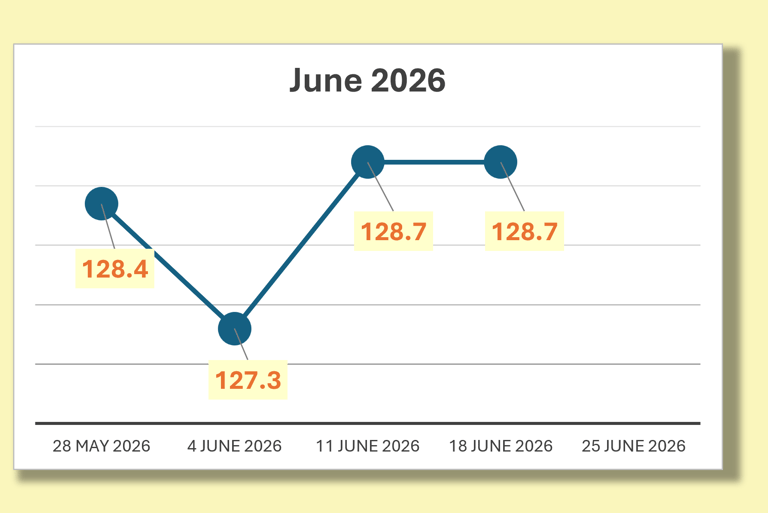
After a little dip at the start of the month, my weight actually went up and then irritatingly stayed there.
In the great age of sail, when a ship was becalmed in light winds and soft seas around the equator, the ship was said to be "in the doldrums".
That perfectly sums up how I felt at the end of June.